People
Teams needed clearer ways to understand each other’s work.
The research looked at how employees communicated, tracked priorities, and made sense of what others were working on.
2019–2020
Designing for the People Behind the Stream
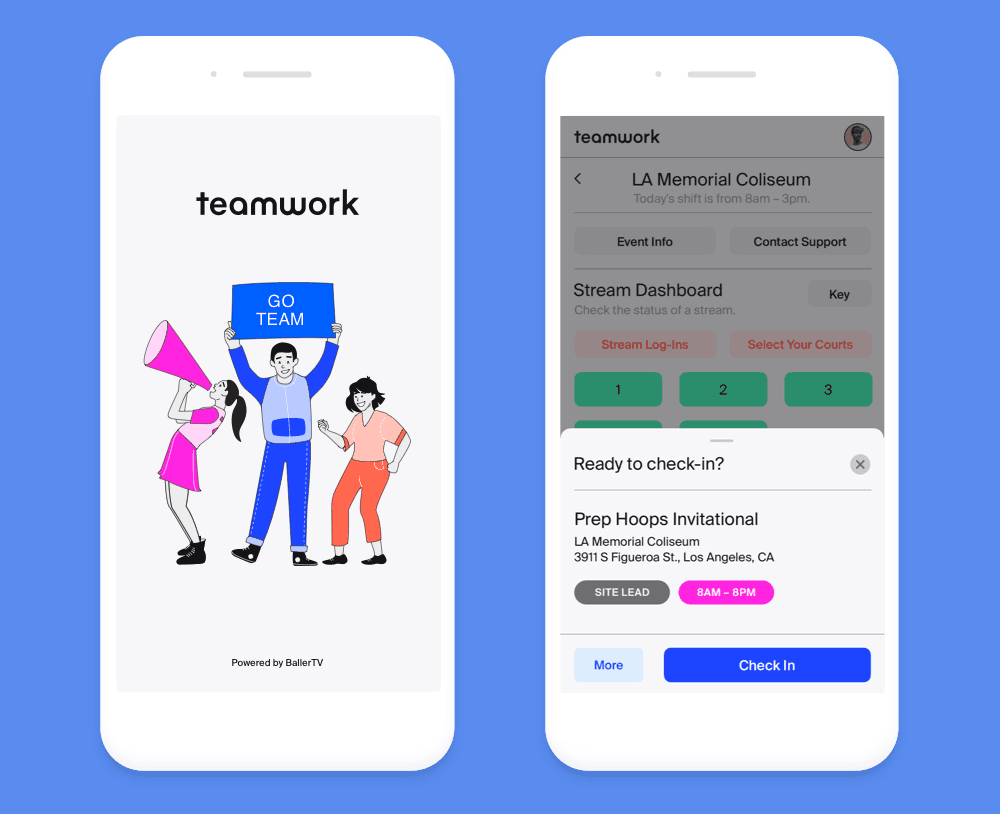
Teamwork was an internal platform designed to support BallerTV's nationwide network of contract videographers responsible for live event coverage. Through interviews, card sorting exercises, field kits, and journey mapping, our team uncovered how contractors experienced the company before, during, and after events. Research challenged existing assumptions about motivation, revealing that many contractors were driven by community impact and a love of sports rather than financial incentives alone. These insights informed the information architecture, workflow design, onboarding, payment experiences, and operational tools that helped support both contractors and internal teams.
Context
As BallerTV scaled, collaboration became harder to manage across people, priorities, handoffs, and daily work. This project explored how an internal teamwork tool could support clearer communication, shared awareness, and operational efficiency.
People
The research looked at how employees communicated, tracked priorities, and made sense of what others were working on.
Operations
Without a shared view of tasks, responsibilities, blockers, and team context, collaboration could become fragmented.
Product
The design work focused on turning team behaviors and collaboration needs into wireframes for a more structured internal experience.
Problem
The project began by looking at the collaboration problems that made internal teamwork harder than it needed to be.
Team members needed a clearer way to understand what was happening, what mattered, and where they fit into the larger workflow.
The experience needed to make ownership, priorities, and progress easier to see without requiring constant manual updates.
The research explored not only tasks, but also how people felt, collaborated, and influenced one another inside the team.
Research Approach
Instead of relying on one interview format, the research combined conversations, card sorting, and field-kit exercises to uncover how people described their work, relationships, emotions, and influence inside the team.
Part 1
Interviews helped uncover how team members understood their roles, communicated with others, and experienced collaboration.
Part 2
Card sorting helped organize patterns around priorities, team needs, workflows, and shared mental models.
Part 3
Field-kit exercises gave participants more expressive ways to reflect on emotions, influence, identity, and teamwork.
Design
The research findings were translated into early wireframes for an internal teamwork experience.
Interviews
The first phase focused on participant conversations and exercises that surfaced how people described their work, relationships, and team dynamics.
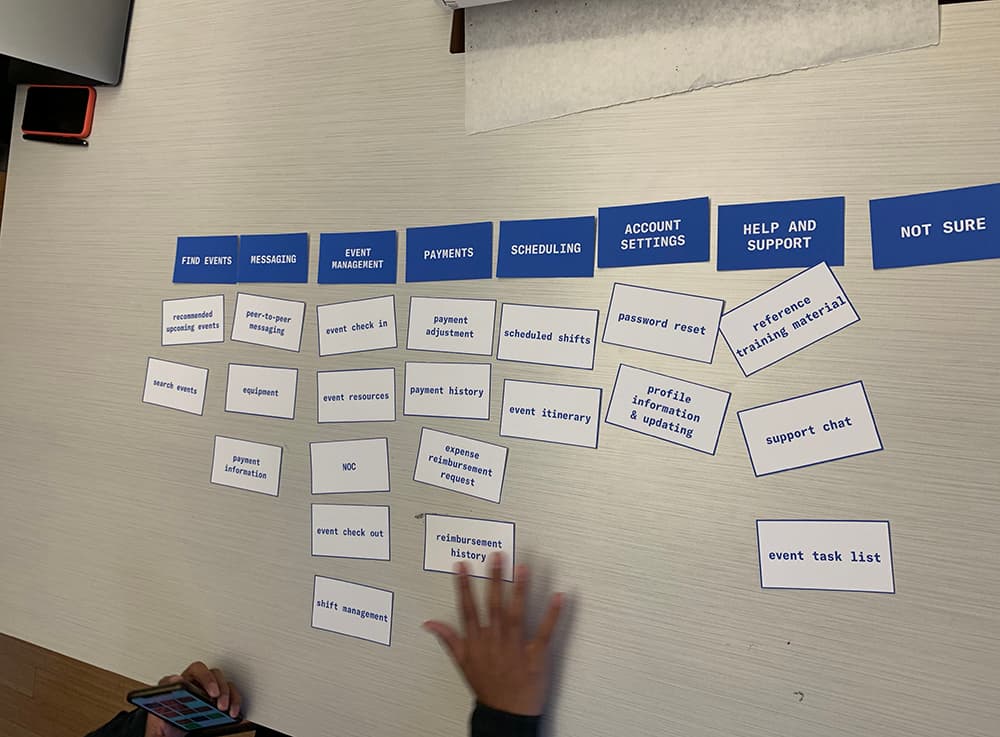
Exercise
Participants organized concepts related to team collaboration, helping reveal how they grouped priorities, pain points, and responsibilities.
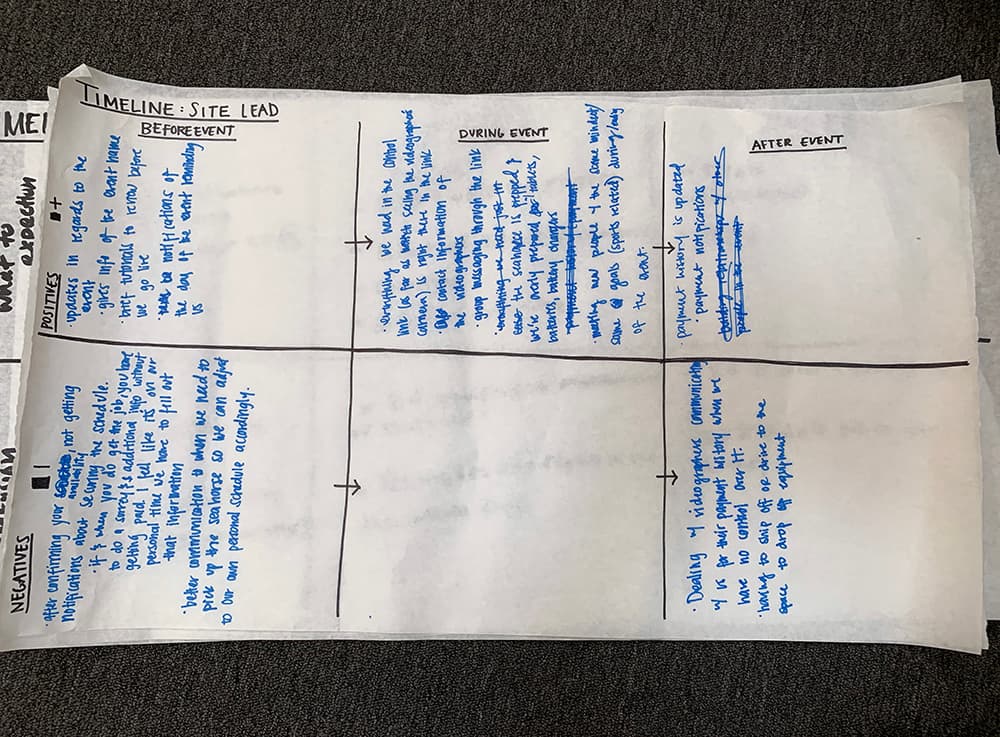
Exercise
Participants mapped parts of their work experience over time, helping identify moments of friction, clarity, pressure, and collaboration.
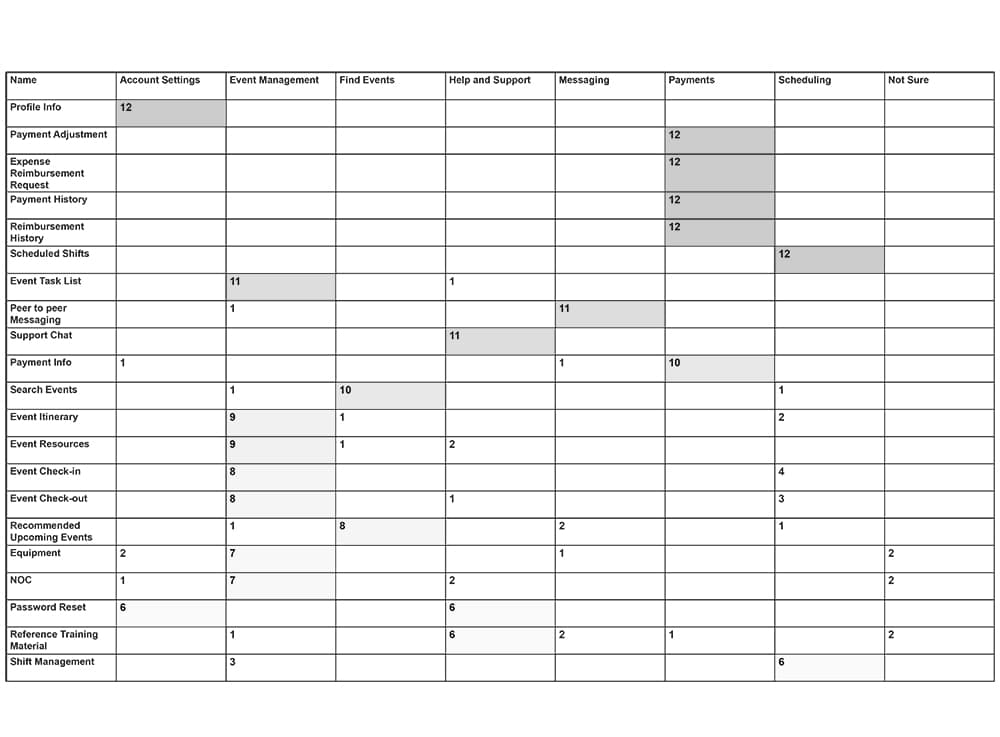
Remote Card Sorting
The second phase used remote card sorting to understand how people grouped information, responsibilities, and collaboration needs when thinking about teamwork.
Field Kits
These exercises created a more reflective research format. They helped participants describe emotions, personality, influence, future goals, and team dynamics in ways that standard interviews may not have surfaced.
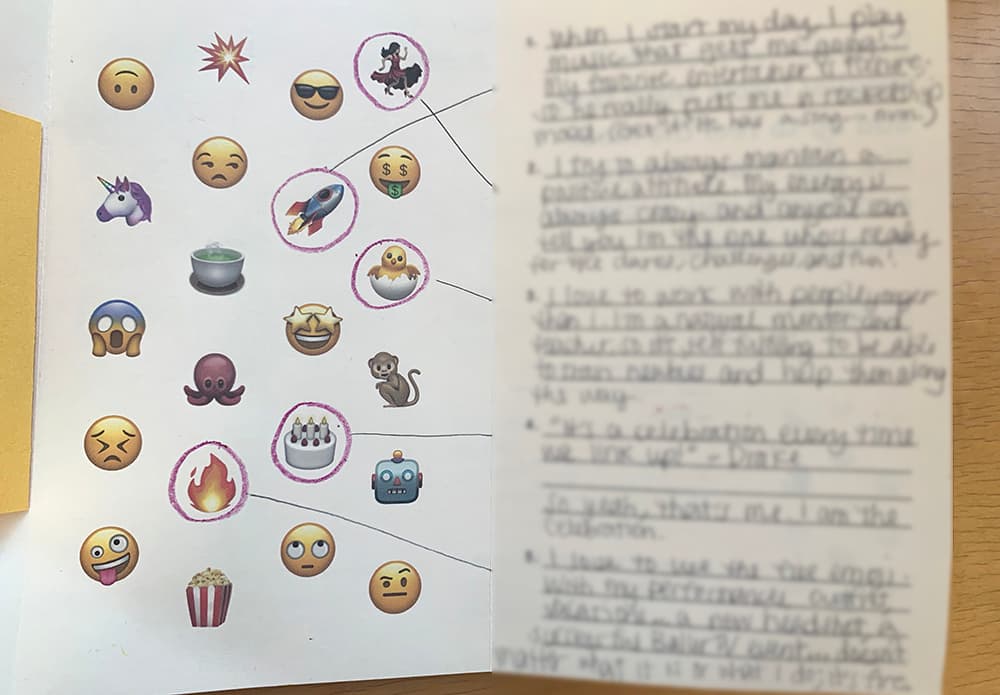
Task 1
Explored how participants described their working style and personality through a more expressive prompt.
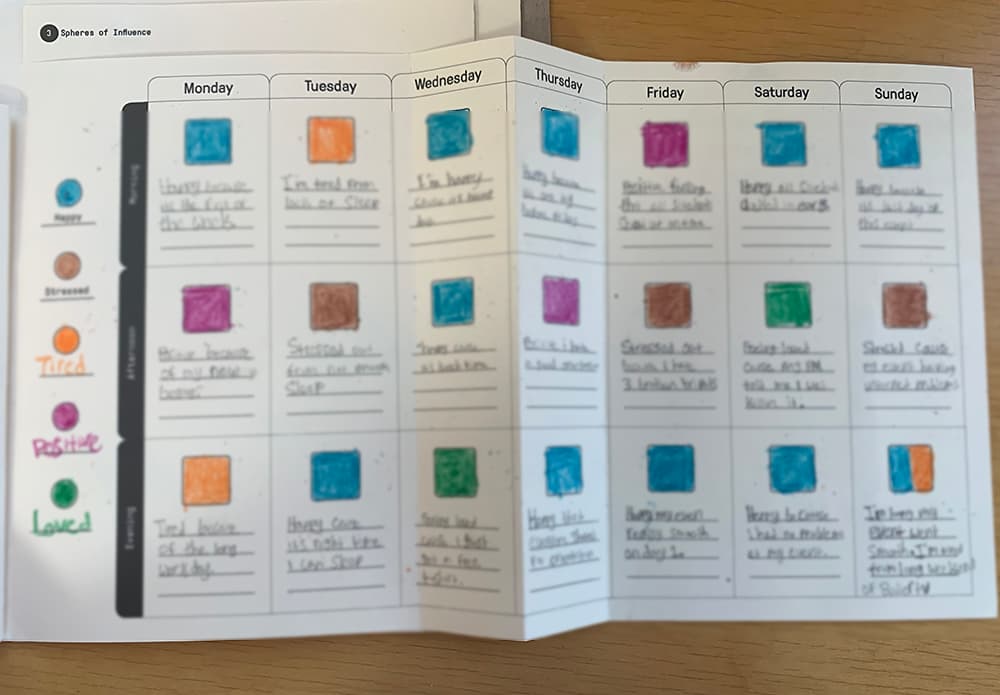
Task 2
Captured emotional patterns and how people felt across work situations or team interactions.
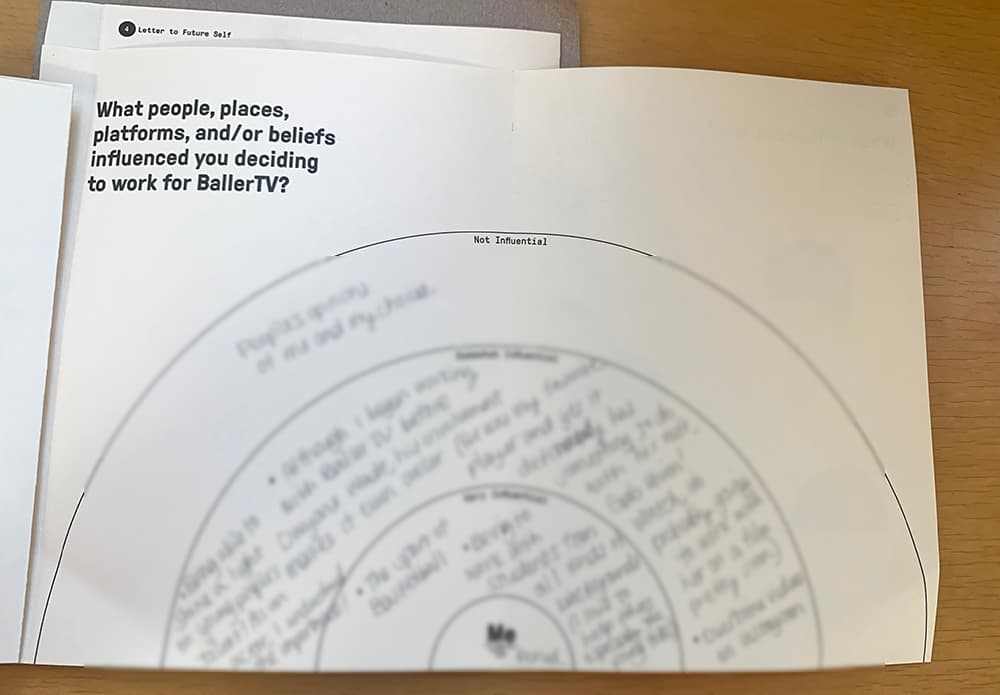
Task 3
Mapped how participants understood their influence, relationships, and proximity to decision-making.
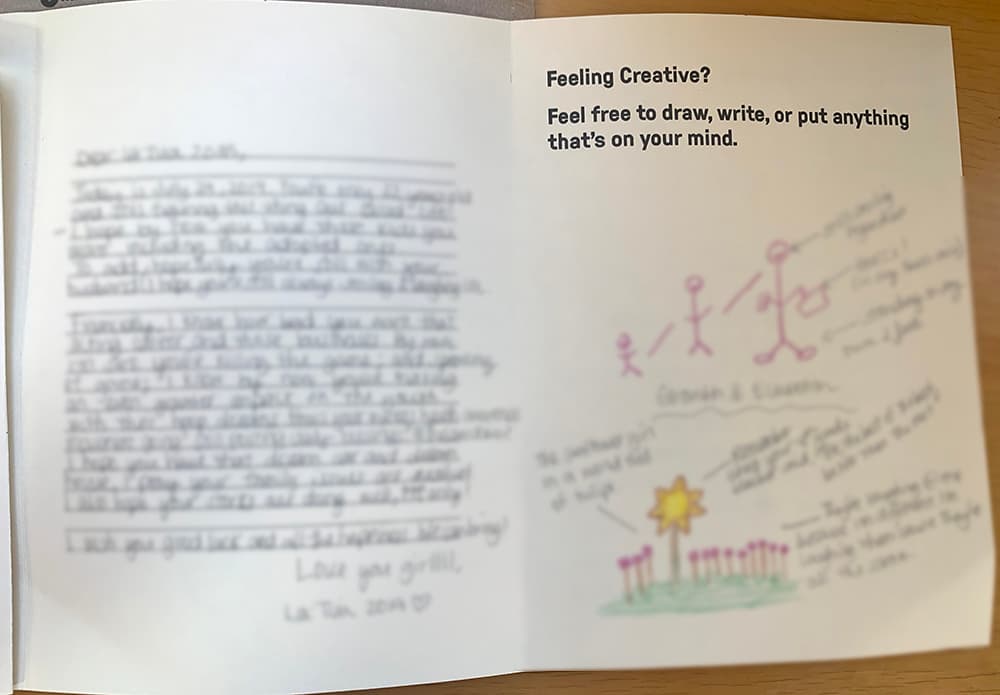
Task 4
Prompted participants to reflect on growth, challenges, and what they hoped would change over time.
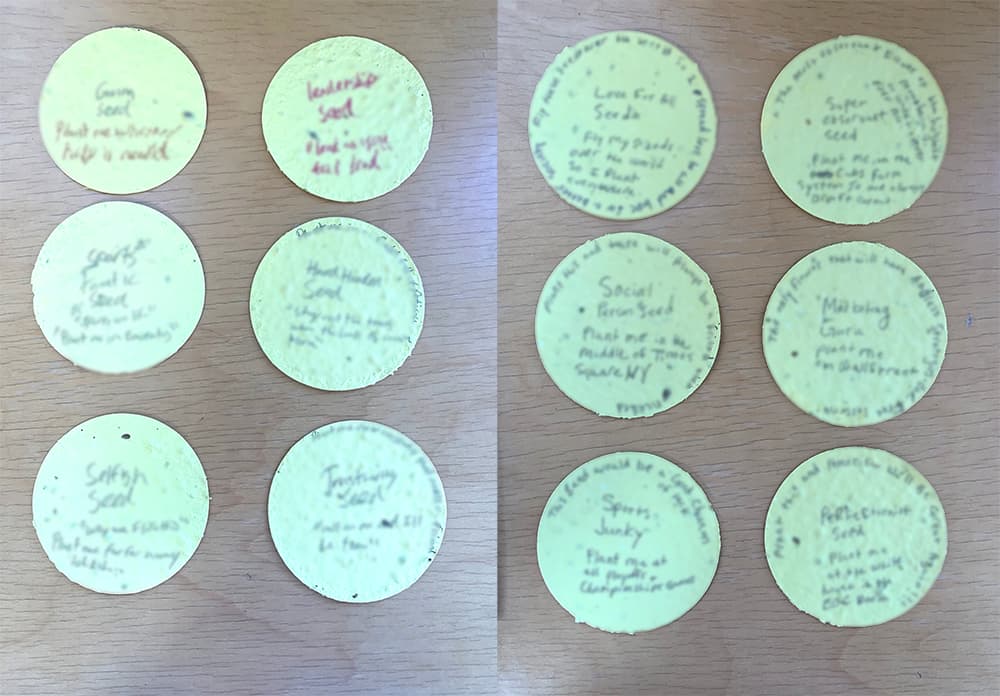
Task 5
Helped participants reflect on personal development, motivation, and the conditions that helped them do good work.
Research Results
The findings pointed to a broader need for clarity, emotional awareness, ownership, and shared context across the team.
People needed easier ways to see what others were working on, what progress had been made, and where support was needed.
Feelings, relationships, and interpersonal context influenced how people communicated and completed work.
The tool needed to make roles, responsibilities, and next steps clearer without adding unnecessary process.
Design
Once the design team divided the app into sections, I worked on onboarding, payments, and account settings. These areas needed to feel clear and dependable because they shaped how users entered the product, understood important actions, and managed personal information.
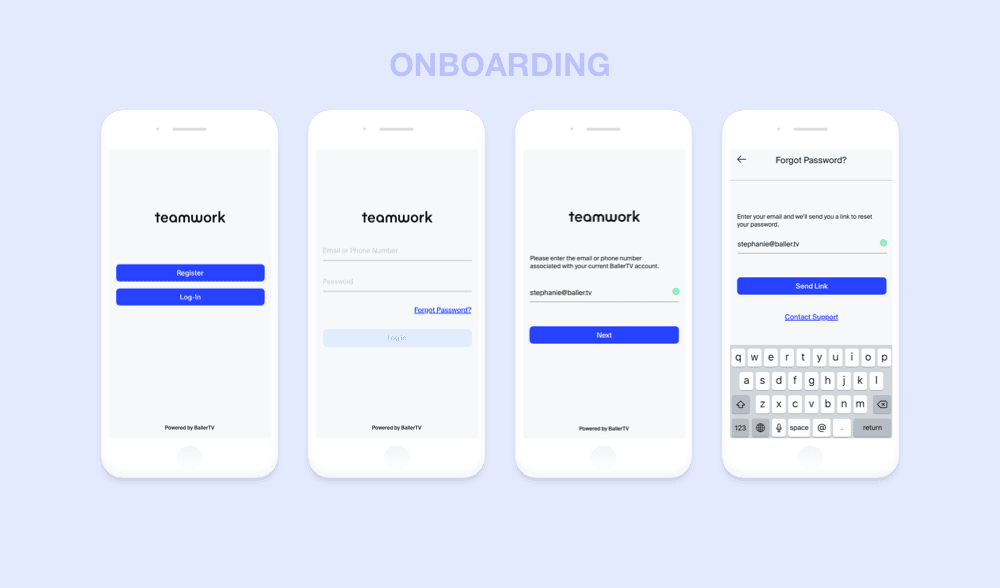
Flow 1
Onboarding was planned for a later version, so I maintained a running list of ideas for how the app could introduce itself, guide first-time users, and make the first experience feel more welcoming.
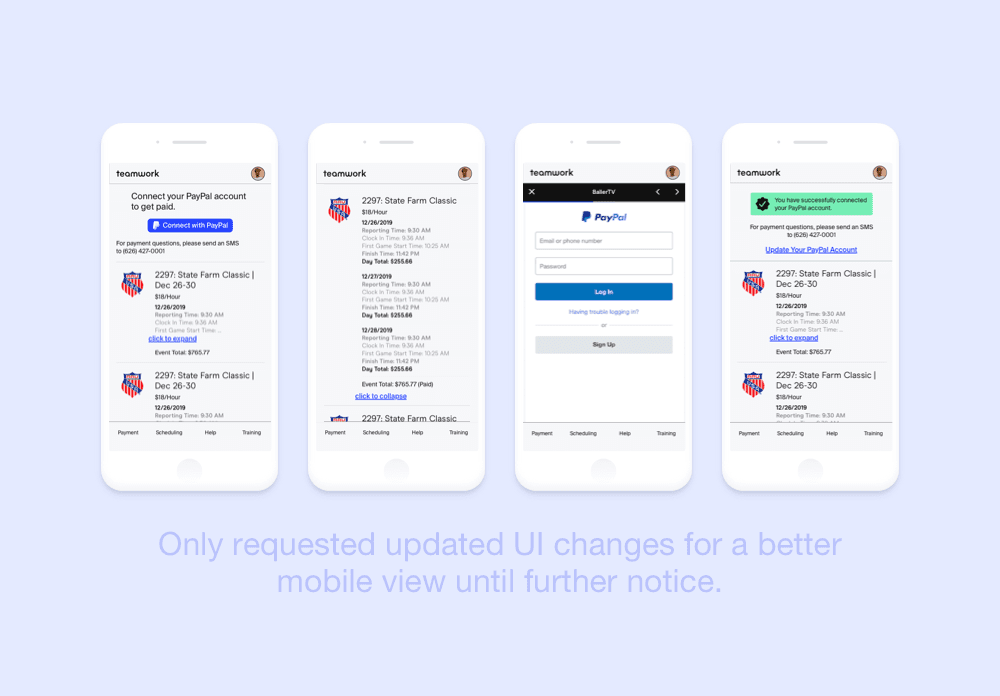
Flow 2
I designed payment-related screens where users needed clear information, trustworthy language, and a simple path for understanding status, actions, and next steps.
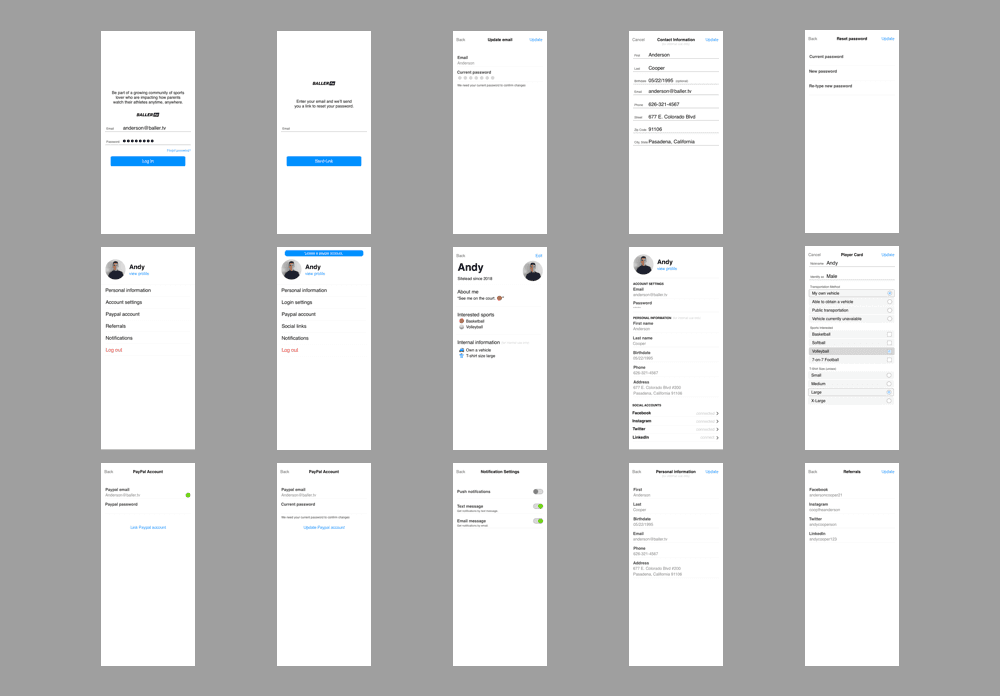
Flow 3
I worked on account settings so users had a straightforward place to manage personal details, preferences, and important account information without unnecessary friction.
Internal Testing Beta Results
The internal test covered several parts of the app and helped the team identify which experiences needed to be prioritized before beta. Although the account setup redesign had already been completed, it had been deprioritized for release. Testing showed that setup could take 15–20 minutes, creating enough early friction that the product team prioritized the redesign for beta launch.
41
Internal test NPS
Task List
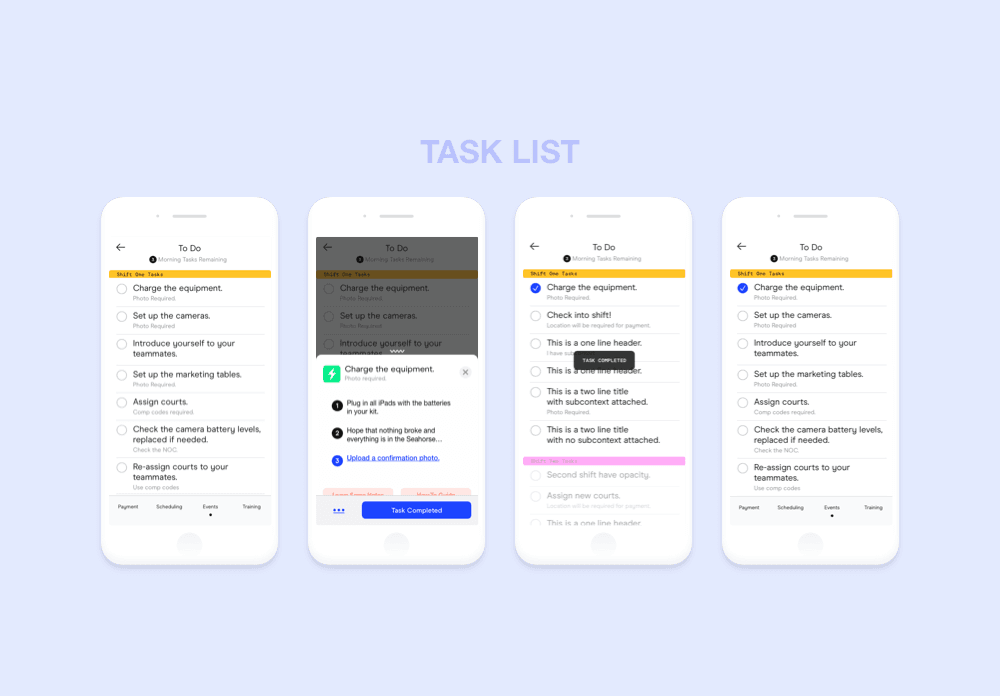
The task list had a 20% completion rate. The first version was designed before operations had full clarity on what needed to be tasked, and the experience did not support how contractors were expected to execute the work in the field.
Task List 1.0
The blue check circle visually read as a quick completion action. In practice, tapping it opened the card and required one or two additional steps before the task could be marked complete, creating friction in a workflow that needed to be fast.
Research Finding
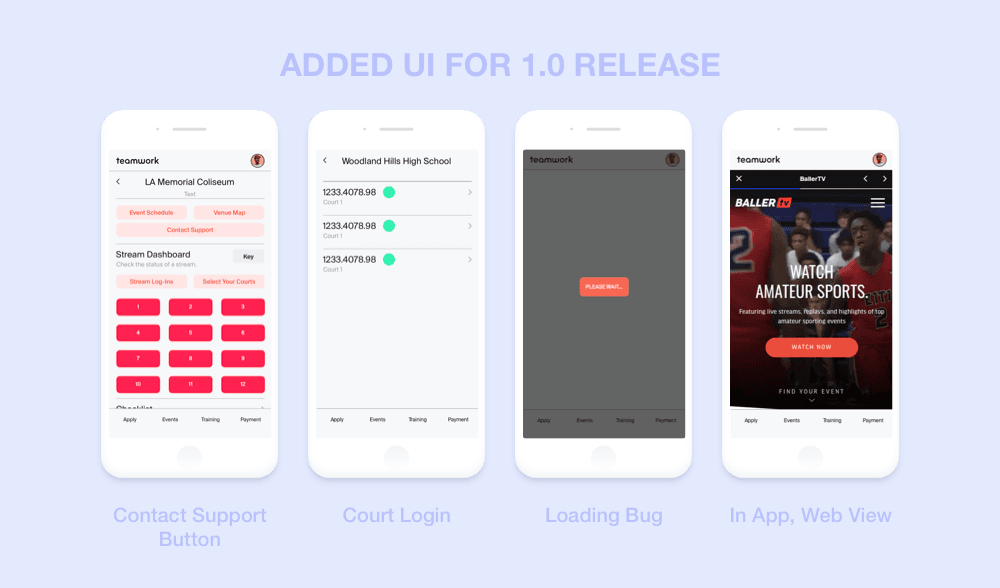
Because completion was low, the team used the quantitative data to push operations to narrow tasks down to measurable actions that directly supported company goals and could realistically be completed by contractors.
Soft Release Results
The soft release showed that users were finding value in Mission Control and check-in workflows.
71
Soft release NPS
“It's easier to pull up Mission Control and check in. It's easier to check on courts and the angles.”
Outcome
The improved beta showed that contractors were finding more value in Mission Control and check-in workflows. It also gave the team a stronger process for identifying friction, prioritizing fixes, and aligning design decisions with operational goals.
Contractors could more easily access the information they needed during live events, including check-ins, courts, and camera angles.
Internal testing helped the team identify which parts of the app needed to be released or improved first, including account setup.
Mission Control and feedback updates helped create a clearer path between field activity and support-team action.